




Cooking Ingredients
The Cooking Ingredients category brings together everything that makes a great kitchen run day to day: extra virgin olive oils, specialty oils (walnut, hazelnut, sesame, grapeseed, argan), vinegars (balsamic, sherry, raspberry, cider, wine), everyday salts and rare salts, mustards, condiments, sauces, artisanal Italian pasta, rice, legumes, stocks, and cooking bases. Since 1951, at 58 rue Tiquetonne, we have selected these everyday products with the same care we give to pastry ingredients — because they are what separates a decent meal from a truly remarkable one.
A pasta dish can be good or unforgettable depending on whether you use artisanal bronze-die pasta or smooth industrial noodles. A vinaigrette reaches an entirely different level with an 8-year-aged Modena balsamic vinegar and a single-estate extra virgin olive oil. These are the products that make a pantry worth having.
Choosing Your Oils, Vinegars, and Condiments
For olive oil, a few key points:
- Extra virgin only (free acidity < 0.8%, zero organoleptic defects)
- Identified origin: single estate, AOP (Nyons, Vallée des Baux, Provence, Aix-en-Provence), or Italian/Spanish IGP/DOP
- Harvest date on the bottle: consume within 18 months
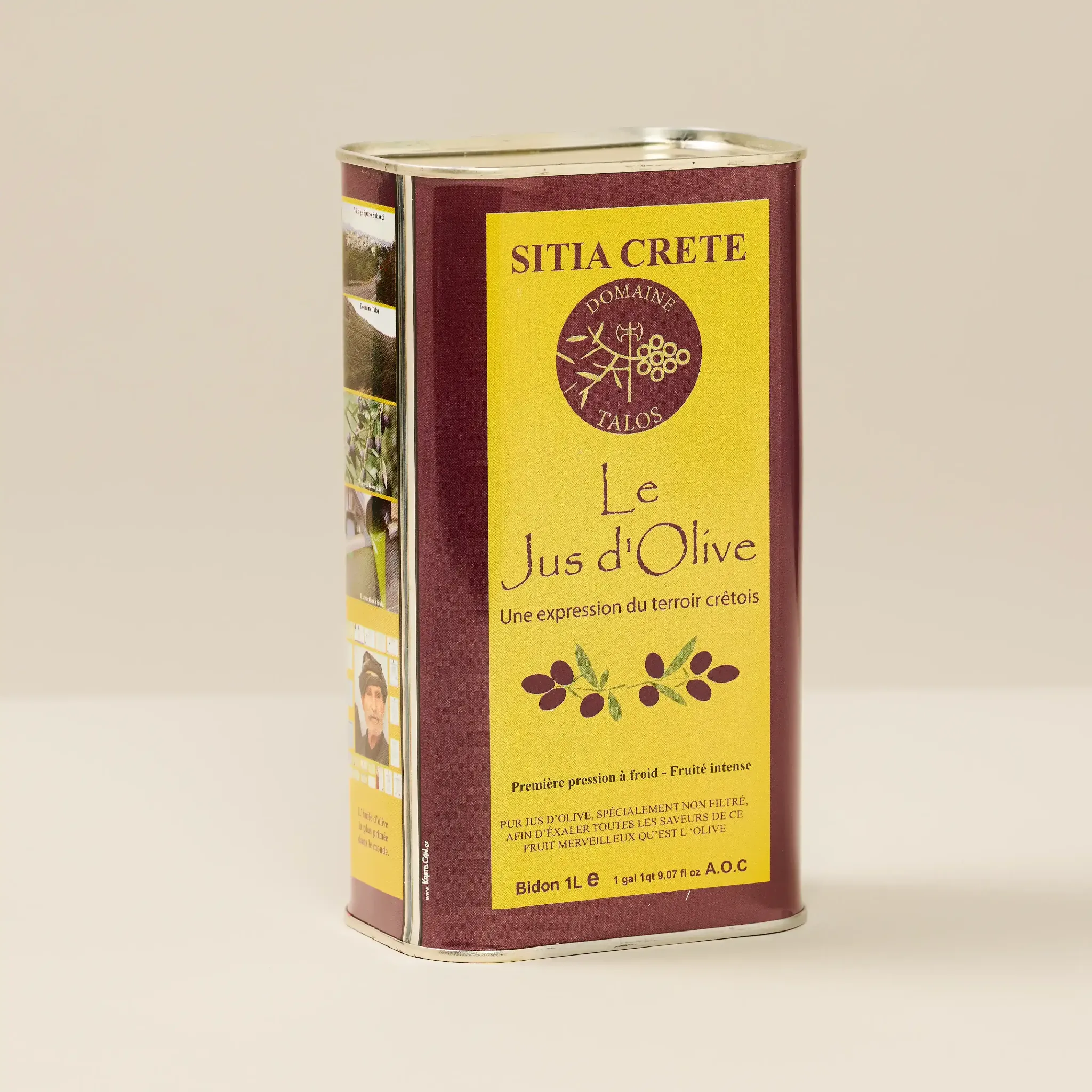
- Dark glass bottle or metal tin — never clear plastic
- "Huile de France" or "European olive oil" labels: very broad, not very informative; always prefer a precise origin
For balsamic vinegar, the key distinctions are:
- Aceto Balsamico di Modena IGP: a solid entry-level option, aged from a few months to a few years
- Aceto Balsamico Tradizionale di Modena DOP: minimum 12 or 25 years of age, syrupy, complex, and priced accordingly
- Be wary of "balsamic vinegars" with no stated origin — these are often simply vinegar colored with caramel
For salt: fleur de sel for finishing, fine salt for cooking, rare salts (Maldon, Himalayan, smoked) used as an accent. Iodized salt remains a useful choice for growing children.
Our Selection at G. Detou
Here are the main families on our shelves.
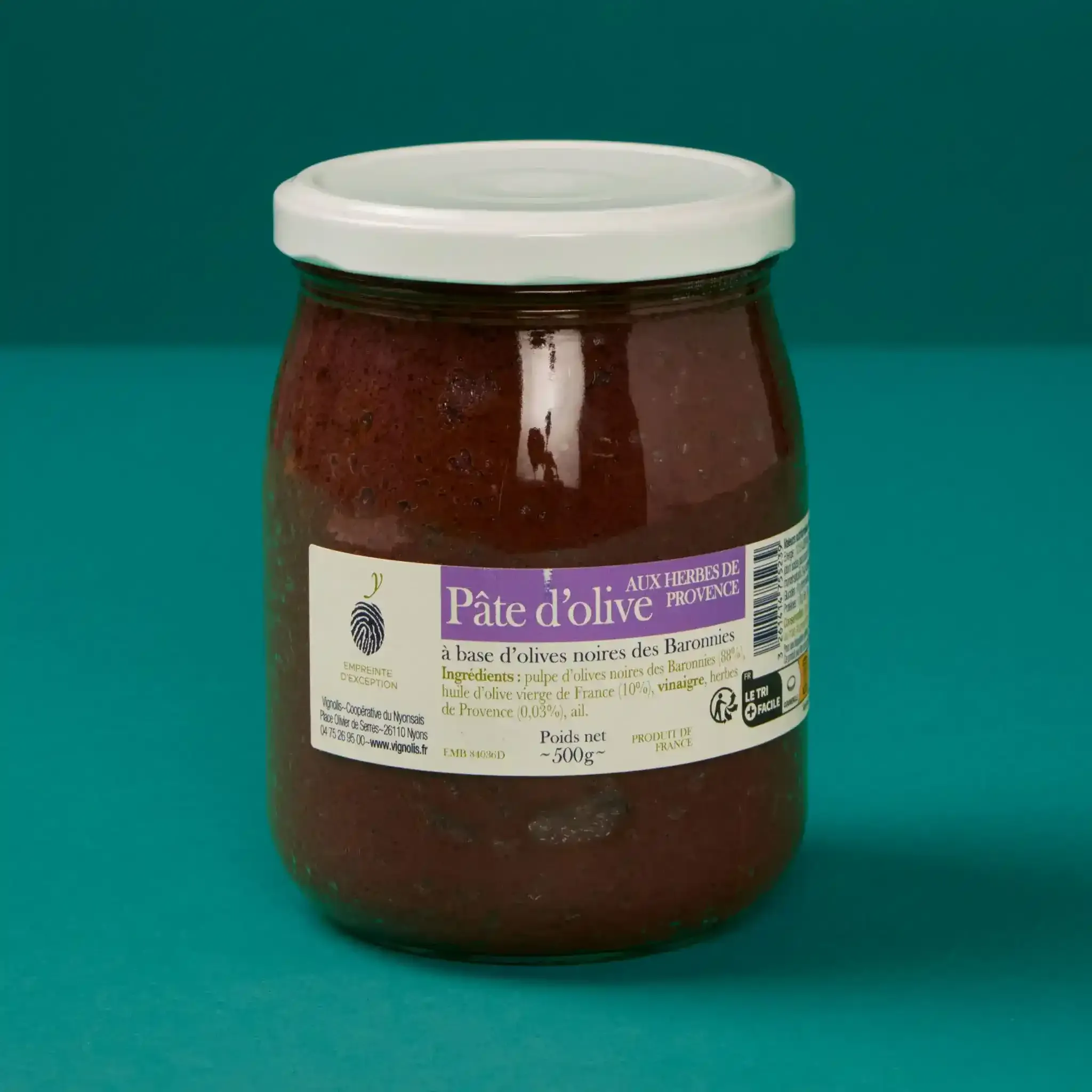
Olive oils: single-estate oils from Provence, AOP Nyons, AOP Vallée des Baux, Italian oils (Tuscany, Sicily, Puglia), Spanish oils (Picual, Arbequina). All with recent, dated harvests.
Specialty oils: virgin walnut oil from the Périgord, hazelnut oil from Piedmont, toasted sesame oil, grapeseed oil, culinary argan oil, truffle oil (to be used sparingly).
Vinegars: Modena balsamic IGP (various ages), white balsamic, sherry vinegar DOP, artisanal cider vinegar, raspberry vinegar, red and white wine vinegar, Japanese rice vinegar.
Salts: fleur de sel de Guérande, grey salt from Noirmoutier, pink Himalayan salt, smoked Maldon salt, truffle salt, Japanese cherry blossom salt.
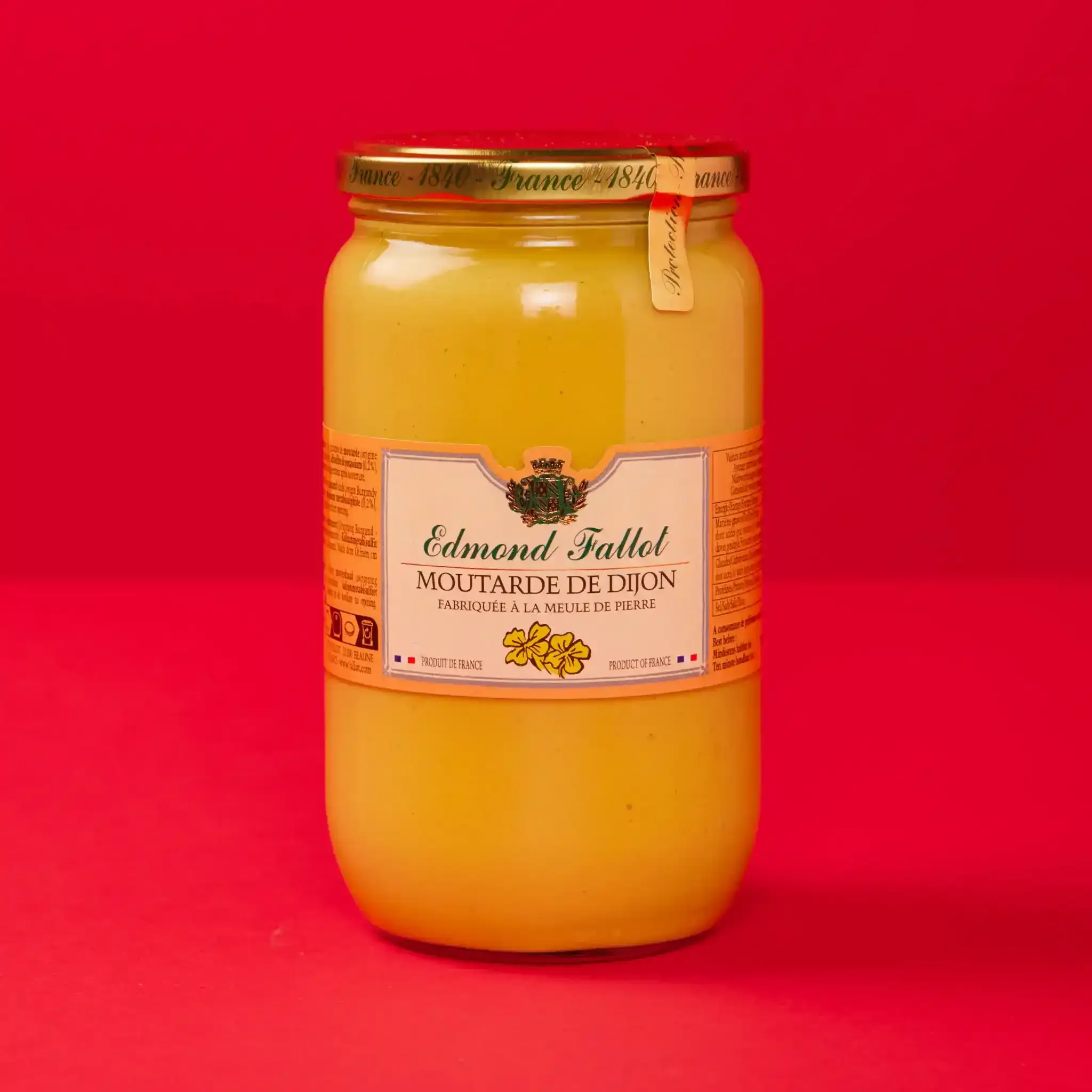
Mustards and condiments: Dijon mustard, whole-grain mustard, truffle mustard, honey mustard, horseradish, wasabi powder, Korean gochujang, Tunisian harissa, sriracha sauce, naturally fermented Kikkoman soy sauce, tamari sauce, mirin, ponzu sauce.
Italian pasta: artisanal bronze-die pasta (Martelli, Felicetti, Setaro), long and short shapes, dried filled pasta, buckwheat pasta, whole-wheat pasta.
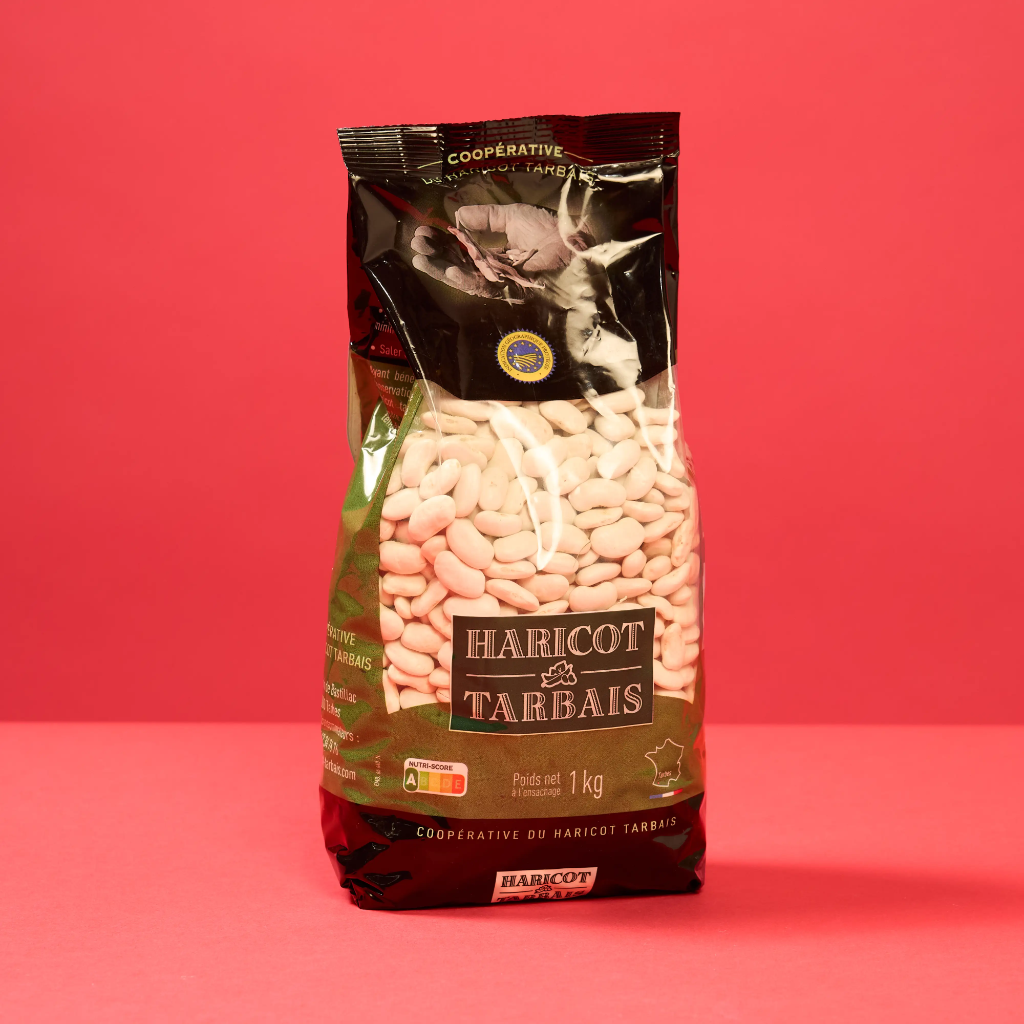
Rice and grains: Carnaroli rice for risotto, Arborio rice, basmati rice, Japanese sushi rice, Venere black rice, quinoa, bulgur, white and yellow cornmeal polenta.
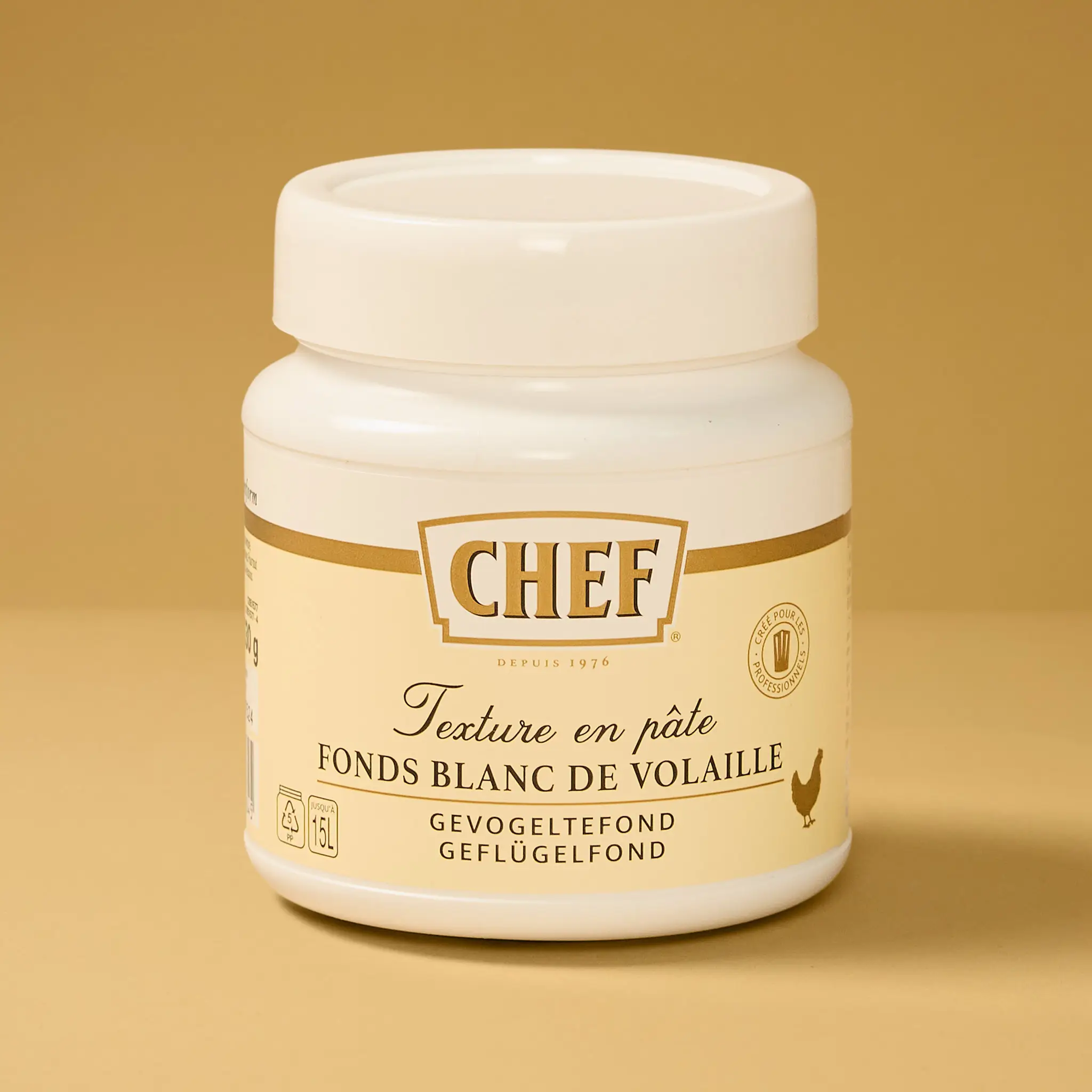
Stocks and bases: chicken stock, beef stock, brown stock, fish fumét, Japanese miso, dashi.
For the chefs and pastry chefs who shop with us, we also stock a few cross-disciplinary technical references: Valrhona fleur de sel (yes, they make one — designed for caramels and ganaches), Barry Mycryo cocoa butter for searing white meats (remarkable non-stick effect), and the Louis François range of technical sugars (trimoline, atomized glucose) that work just as well in modern cooking as in pastry — think sauces and savory sorbets.
Uses and Pairings
Olive oils are not all suited to the same purpose. An intensely green-fruity oil (young Tuscan) pairs beautifully with bitter salads, grilled vegetables, and vegetable soups. A soft, ripe oil (Provence, Puglia) is better suited to baking (olive oil cake), raw fish, and steamed vegetables. It's always worth keeping one "neutral" oil for high-heat cooking and one fine oil for dressing dishes raw.
Specialty oils work best as finishing touches: walnut oil over an endive and Roquefort salad, hazelnut oil drizzled on a potimarron velouté, toasted sesame oil over stir-fried noodles, truffle oil on a fried egg on a Sunday morning.
A well-aged balsamic vinegar (12+ years) is best enjoyed almost neat — over strawberries, Parmesan, or mozzarella di bufala. Younger balsamics work well in vinaigrettes, pan deglazing, and tomato sauces.
When it comes to Italian pasta, bronze-die pasta grips sauce far better thanks to its rough surface. Smooth industrial pasta simply lets it slide off. For a cacio e pepe, switching to Martelli spaghetti makes a radical difference.
Storage and Best Practices
A few rules for preserving quality:
- Olive oil: 18 months maximum after harvest, away from light (in a dark cupboard), at a stable room temperature — never refrigerated
- Specialty oils (walnut, hazelnut): 6 to 9 months after opening, ideally refrigerated (they go rancid quickly)
- Vinegars: keep very well, for several years; a natural sediment ("mother of vinegar") does not affect quality
- Salts and rare salts: indefinitely in an airtight jar, away from moisture
- Dried pasta: 2 to 3 years in a dry cupboard
- Fermented sauces (soy, miso): once opened, refrigerate; lasts several months
One piece of advice: buy in sensible quantities. A one-liter bottle of olive oil per month works well for a household of 2–3 people — far better than a 5-liter tin that will go rancid before you finish it.
History and Expertise at G. Detou
The cooking ingredients section has been built up over the decades since 1951. Originally, the shop at 58 rue Tiquetonne served primarily pastry chefs — but since pastry chefs also cook, and the neighborhood was dense with restaurants and private chefs, the savory pantry section grew naturally alongside.
Today, there is a real coherence to what we offer: our olive oils come from estates we visit regularly, our Italian pasta from a handful of family producers we have long championed, our vinegars from identified makers. This is a category where curation matters more than breadth — we would rather carry three olive oils we stand behind completely than twenty we know nothing about.
FAQ — Cooking Ingredients
Which olive oil should I use for high-heat cooking?
An extra virgin olive oil with a "ripe fruit" profile holds up very well to cooking up to 400 °F (200 °C). For deeper frying, a refined olive oil or grapeseed oil is better suited. There is no reason to use a premium oil just to sauté an onion.
What is the difference between IGP and DOP balsamic vinegar?
IGP balsamic (Aceto Balsamico di Modena IGP) is aged from a few months to a few years, at an accessible price point. DOP balsamic (Tradizionale) is aged a minimum of 12 or 25 years in successive barrels of different woods, priced accordingly ($50–200/100 ml), syrupy and complex.
Why choose artisanal bronze-die pasta?
Bronze-die extrusion gives pasta a rough surface that grips sauce, whereas smooth industrial pasta repels it. The cook also tends to be slightly more al dente and firm. The difference is immediately apparent in a simple dish like a carbonara or a cacio e pepe.
How should I store walnut oil?
Refrigerate after opening, tightly sealed in its bottle, and use within 6 months. Nut-based oils (walnut, hazelnut, sesame, grape seed) go rancid quickly at room temperature.
Which rice should you choose for a risotto?
Carnaroli remains the gold standard: a long grain that releases plenty of starch while holding its shape beautifully. Arborio is more widely available and yields a slightly more rustic creaminess. Avoid basmati or long-grain rice — they simply don't contain enough starch.
Is a truffle mustard worth the price?
It depends on the producer. A genuine truffle mustard contains identifiable pieces of truffle (Tuber aestivum or melanosporum) — not a synthetic flavoring. Always read the ingredient list.
Do you sell wholesale to restaurants?
Yes — most oils are available in 5 L or 10 L containers, vinegars in 1 L bottles, and pasta in cases of 12 packs. To access preferential pricing, create your account on our Trade Access page.
Is Himalayan pink salt better than fleur de sel?
Not really. Pink salt contains a few additional minerals, but in nutritionally negligible amounts. Fleur de sel de Guérande, hand-harvested from the surface, offers a far superior delicacy of texture and satisfying crunch. It really comes down to use: Himalayan salt for cooking, fleur de sel as a finishing touch.
Building your ideal pantry
If you're starting a serious kitchen pantry from scratch, here is what we recommend as a foundation:
- Two olive oils: one fruity for salads and finishing, one mild for cooking
- One specialty oil: walnut or hazelnut for weekend vinaigrettes
- Three vinegars: balsamic IGP, sherry, red wine
- Three salts: fine salt, coarse salt, fleur de sel
- Three pastas: spaghetti, penne, orzo (or risoni)
- Two rices: Carnaroli for risotto, basmati for everyday use
- Three fermented sauces: Kikkoman soy sauce, white miso, fish sauce (nuoc-mâm)
- One Dijon mustard + one whole-grain mustard
- A few key spices: Penja peppercorns, smoked paprika, cumin, curry
With this foundation, you'll cover 80% of your everyday recipes. The rest builds naturally around your cooking habits — Asian, Italian, Mediterranean, Indian. And of course, we're always here to help you choose when you stop by the shop.
Going further
Everyday cooking ingredients are worth choosing well. Explore the Spices & Seasonings category, which pairs perfectly with this section. And do come visit us in store, in Paris or in Lyon, for personalized advice on the right product.