


Food Decoration
Food decoration is what transforms a decent pastry into one that truly dazzles: food coloring (powder, gel, fat-soluble), edible food-grade glitter, sugar pearls, sprinkles, edible gold leaf, velvet sprays, crystallized flowers, sugar figurines, chocolate decorations, and chocolate transfer sheets. Since 1951, at 58 rue Tiquetonne, we've stocked everything professional pastry chefs and passionate home bakers need to dress up a Yule log, a birthday cake, macarons, or decorated cookies.
With the explosion of cake design, sophisticated macarons, and contemporary mirror-glaze entremet cakes, food decoration has become a world unto itself. Techniques have grown increasingly professional (airbrush, transfer sheets, silicone molds), and so have the products (European-grade food coloring, truly edible food-grade glitter vs. the non-edible glitter sold in supermarkets). Our role is to separate the wheat from the chaff.
Choosing the right food coloring and decorations
Not all "food colorings" are created equal. First things first: make sure they are truly edible in Europe. Some "edible glitter" sold in cake design aisles is actually labeled "for decoration only — remove before consumption" — that's plastic. Real edible glitter is made from sugar, gum arabic, and authorized E-numbered food colorings.
When it comes to food colorings, there are several types:
- Water-soluble colorings (powder or liquid): for water-based preparations (syrups, royal icing, macarons, pastry cream)
- Fat-soluble colorings (powder or gel): for fat-based preparations (chocolate, ganache, cocoa butter). Essential for coloring chocolate without causing it to seize.
- Concentrated gel colorings: very potent, used in small amounts, ideal for royal icing and fondant
- Natural colorings: made from spirulina (blue/green), turmeric (yellow), beet (red/pink), vegetable charcoal (black) — less vibrant but free of E-additives
Mixing a water-soluble coloring into melted chocolate = seized, hardened chocolate. That's the number one mistake to avoid.
Our selection at G. Detou
Here's what you'll find on our shelves.
Food colorings: complete water-soluble range (powder and gel) in 30+ shades; fat-soluble range for chocolate; natural colorings (spirulina, turmeric, beet, vegetable charcoal). Professional brands: Louis François, PCB Creation.
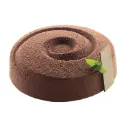
Velvet sprays: ready-to-use cans for a velvet effect on frozen entremet cakes (red, white, yellow, chocolate brown, pistachio green). Professional results in 2 seconds.
Edible food-grade glitter: gold, silver, copper, and colored glitter (red, blue, green, multicolor). All EU-certified edible.
Edible gold and silver: 22-carat edible gold leaf booklets, gold flakes, gold powder. For the finishing touch on grand entremet cakes and festive petit fours.
Pearls, dragées, and sprinkles: pearlescent sugar pearls, chocolate sprinkles, colored sprinkles, Verdun dragées, crunchy balls, Valrhona Crispearls.
Figurines and decorations: sugar figurines (wedding, birthday), food-safe plastic figurines, pastry candles, chocolate decorations (cigarettes, plaques, shavings), printed sheets for chocolate transfers.
Fondant, marzipan, and royal icing: white and colored fondant (Renshaw, Massa Ticino), white and grey marzipan, royal icing ready to color.
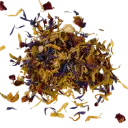
Crystallized flowers and crystallized fruits: crystallized violets, roses, and mimosas; mini crystallized fruits.
For further chocolate decoration options, we carry a selection from the great pastry brands: Valrhona colored cocoa butter (for airbrush or dipping), Barry and Callebaut white chocolates specifically suited for coloring (low residual fat content), and transfer sheets compatible with these couvertures. It is precisely this "color + chocolate + technique" consistency that allows a cake designer or boutique pastry chef to achieve reproducible results from one batch to the next.
Applications and techniques
Here are some classic uses:
Colored macarons: water-soluble powder coloring incorporated directly into the Italian meringue, in gradual increments. Avoid liquid colorings, which alter the hydration of the batter.
Colored chocolate: fat-soluble powder coloring, dispersed in melted cocoa butter (Mycryo), then added to melted white chocolate. For tempering, follow the standard curve.
Colored mirror glaze: water-soluble gel coloring, added to mirror glaze prepared with NH pectin or gelatin. Vivid colors guaranteed.
Velvet effect on frozen entremet: remove the frozen entremet from the freezer, spray the velvet spray from 8 inches away in crosswise movements. The effect appears instantly through thermal contrast.
Fondant: for children's birthday cakes, tiered cakes, decorated cupcakes. Work on a surface dusted with powdered sugar.
Piping bag decoration: royal icing colored in various piping bags (fine tips sizes 1 to 3) for decorating cookies and shortbread in the Anglo-American style. See our article on royal icing.
For food colorings in savory cooking (turmeric, spirulina): use is best limited to quick cooking or raw seasoning applications, to avoid degrading the pigments.
Storage and proper use
A few guidelines for decoration products:
- Powder colorings: 3 to 5 years in their airtight container, away from moisture
- Gel colorings: 2 to 3 years, away from heat; reseal tightly after opening
- Edible glitter: indefinitely in their jar, away from moisture
- Fondant: 6 to 12 months in a sealed bag; after opening, wrap airtight (plastic wrap + container)
- Marzipan: 6 months; hardens if exposed to air
- Velvet sprays: 2 years, store at stable room temperature
- Edible gold leaf: indefinitely in its protective booklet
In terms of dosing, always start with very little: a quarter teaspoon of powder coloring for 500 g of batter. Adjust upward, never the other way around. Too much coloring can impart a noticeable bitter or metallic taste.
History and G. Detou expertise
The food decoration section at G. Detou has evolved considerably. Back in the 1950s, it was mostly about Verdun dragées, crystallized flowers, and colored sprinkles for children's cakes. Since 1951, the section has transformed alongside professional pastry-making: the arrival of fat-soluble colorings for chocolate (a revolution in the 1990s), velvet sprays (2000s), American cake design (2010s with its spectacular constructions), and the return to natural colorings (2020s).
We made a deliberate choice: not to give in to the temptation of glitter and decorations labeled "remove before consumption." Our selection gives priority to truly edible products (sugar-and-gum-arabic glitter, European-standard food colorings, sugar pearls). If a product is intended solely for decorative purposes and not for consumption, it is clearly labeled as such on its product page. It's less flashy than the cake design aisles of major Anglo-American retailers, but it guarantees that no customer will ever unknowingly eat food-grade plastic thinking it's sugar. If you stop by the store, we'll be happy to show you the difference.
FAQ — Food decoration
What is the difference between water-soluble and fat-soluble colorings?
Water-soluble colorings dissolve in water (syrups, creams, macarons). Fat-soluble colorings dissolve in fat (chocolate, cocoa butter, ganaches). Mixing the two up produces disastrous results: seized chocolate, separated sauces.
Are food colorings safe for your health?
Colorings approved in Europe (E100 to E180) have passed EFSA evaluations. For children or sensitive individuals, you can opt for natural colorings (spirulina, turmeric, beet, vegetable charcoal) — slightly less vivid but free of E-additives.
How do I color white chocolate a vivid red?
Use a red fat-soluble coloring in powder form (never water-soluble), first dispersed in a teaspoon of melted cocoa butter (Mycryo), then incorporated into tempered melted white chocolate. Dosage: start at 0.5% of the chocolate's weight.
Do edible glitter flakes actually exist?
Yes. True edible glitter is made from sugar, gum arabic, and approved colorings. Be wary of glitter sold in supermarkets labeled "remove before consumption" — those are decorative but not edible. All of our glitter is fully edible.
How do I use a velvet spray on a mousse cake?
The cake must be frozen (condensation creates the velvet effect). Remove from the freezer, shake the can, and spray from 8–10 inches away in crisscross motions. A professional finish in 5 seconds.
How much coloring do I need for macarons?
Very little: a quarter teaspoon of powdered coloring for a batch of 50 macarons. For a gel coloring, the tip of a knife. Add gradually, checking the color after baking (the color sets during baking).
Do you carry cake decorating starter kits?
We don't offer pre-assembled kits, but we can put together a complete custom kit for your project in store — whether it's a birthday, wedding, or celebration. Also check out our beginner cake design kit article.
Is edible gold leaf actually gold?
Yes, 22 or 24 carats. It is edible gold (E175), inert, tasteless, and non-toxic. For celebratory pastries, it is applied with a dry brush or directly by leaf.
Take it further
Food decoration is a limitless creative playground. Check out our food coloring guide, our beginner cake design article, our mirror glaze tutorial, and the Baking Ingredients category, which naturally rounds out your toolkit. And of course, come visit us in store, in Paris or in Lyon. ✨