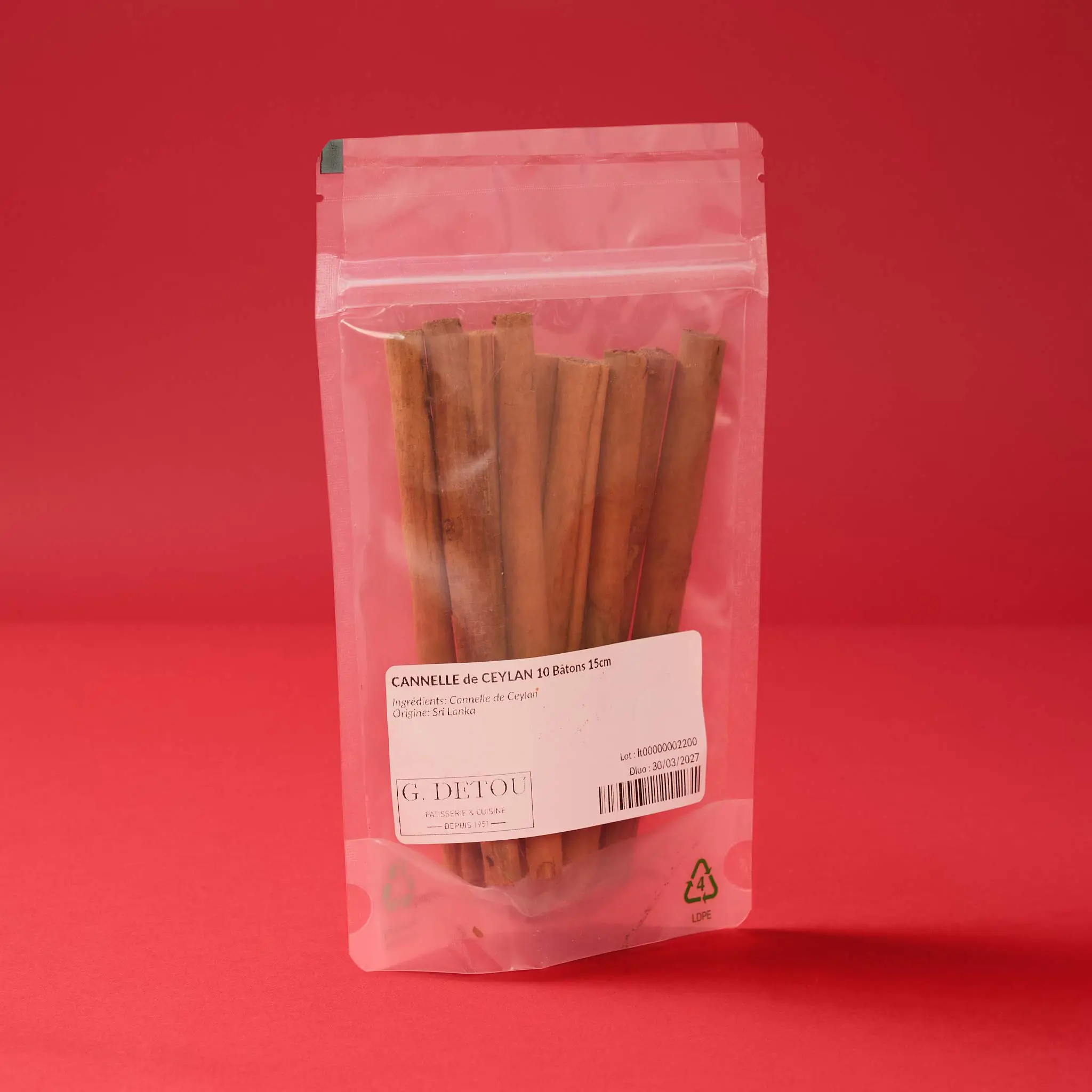



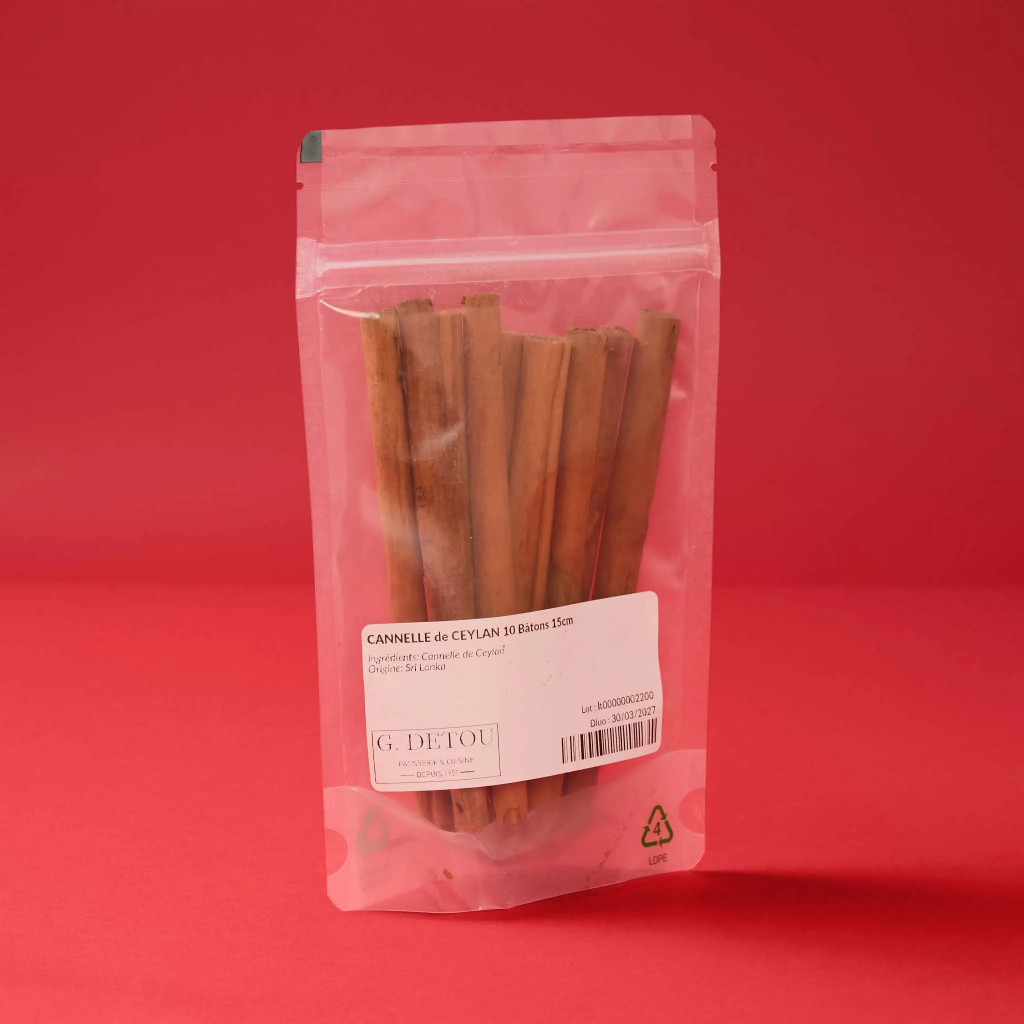
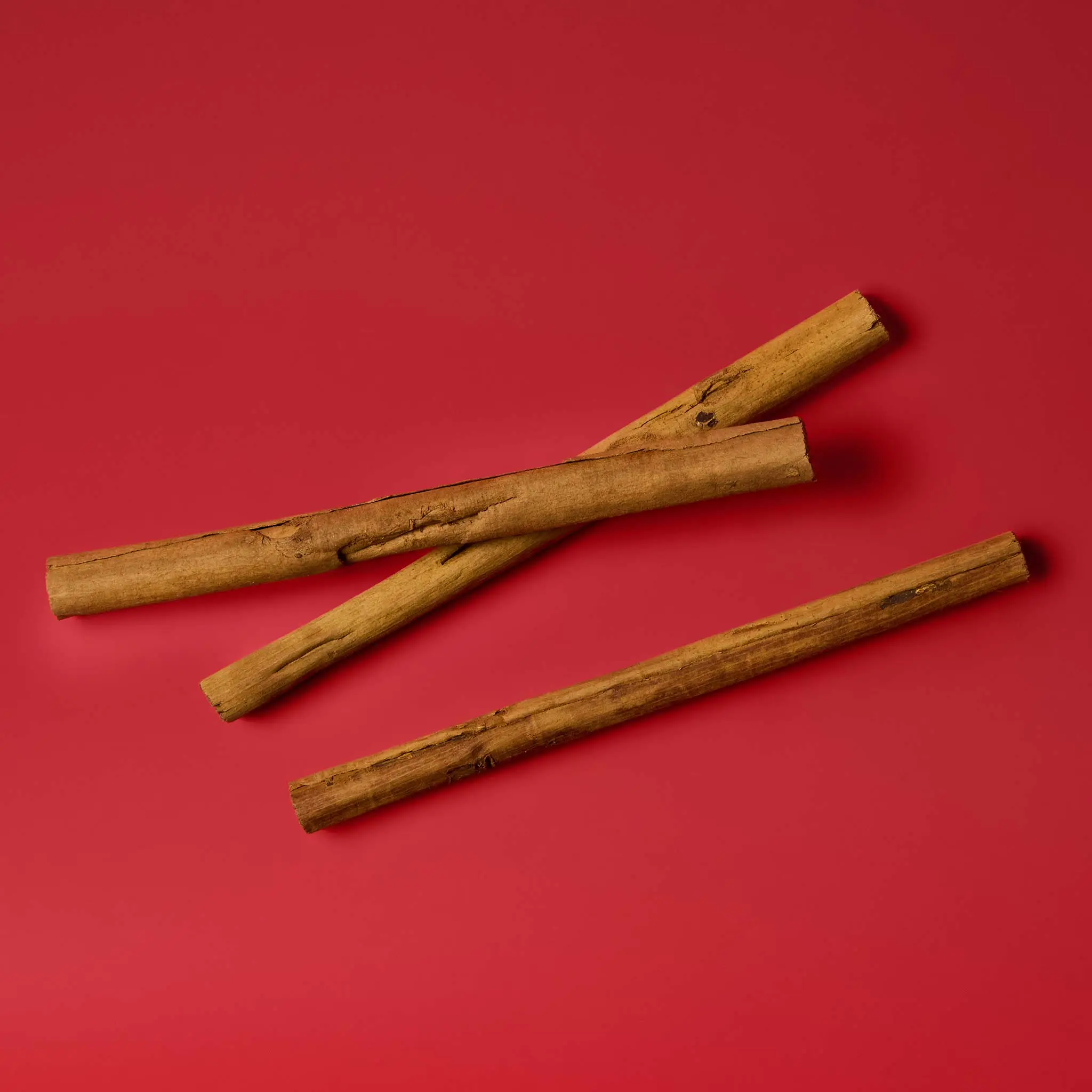
Ceylon cinnamon, 10 sticks, 15 cm
Ceylon cinnamon, or "true cinnamon" (Cinnamomum verum), is the noble spice distinguished from the commercially more common Chinese cinnamon (Cinnamomum cassia). Native to Sri Lanka, it is recognizable by its thin, pale, multi-layered quills and its more subtle, more floral, less astringent flavor compared to cassia.
Ten 15 cm sticks in a practical format for everyday use — one stick is enough for a tea infusion or a mulled wine, giving you several months' worth of supply. Ingredients: cinnamon sticks, nothing added. Origin: Sri Lanka.
\nCeylon vs. Cassia: the real cinnamon
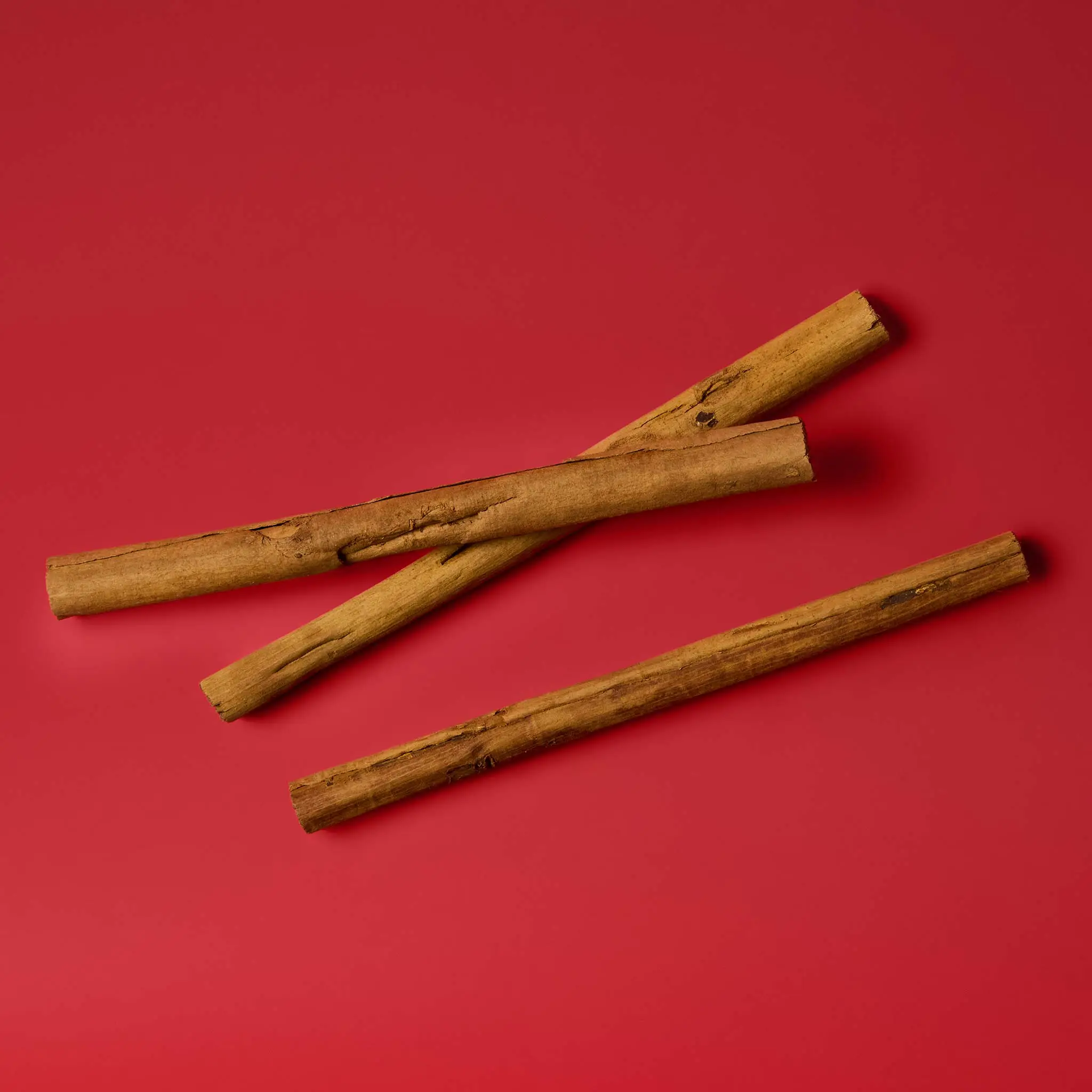
\nVisually, a Ceylon stick is made up of thin layers rolled together (like paper rolled into multiple sheets). Cassia is generally thicker, with a single, coarser rolled layer. On the palate, Ceylon is gentle, floral, and lightly sweet. Cassia is more intense, more astringent, and carries that classic "bakery cinnamon" fragrance.
Ceylon contains less coumarin than Cassia — a naturally occurring molecule in cinnamon that can be hepatotoxic at chronically high doses. For regular consumption, Ceylon is therefore the preferred choice.
Ceylon cinnamon has been cultivated since antiquity in Sri Lanka — the island was a key stop on the spice route between Asia and Europe during the Middle Ages. Harvesting takes place on young shoots of the cinnamon tree: the bark is carefully peeled away, dried, and rolled into sticks. It is demanding handcraft.
\nUsage tips
\nFor a classic winter mulled wine, combine one Ceylon cinnamon stick + one clove + one star anise + orange zest + sugar in one liter of full-bodied red wine. Heat for 20 minutes without bringing to a boil. Strain before serving.
For rice pudding, add one cinnamon stick to the milk at the start of cooking. Remove at the end — the pudding will be gently fragrant with no stray fragments.
For a digestive infusion after a meal, steep one Ceylon cinnamon stick in a cup of boiling water for 10 minutes. A soothing warm drink, with an optional drizzle of honey.
For a winter rum-and-cinnamon cocktail, infuse one Ceylon stick in 200 ml of dark rum for one week. Strain and use in a warm cocktail or enjoy neat. The rum takes on a subtle vanilla-spice note that sets it apart from classic sugar-based flavored rums.
For authentic Sri Lankan cooking, Ceylon cinnamon is used in traditional chicken curry, spiced rice, and several local sweets. One Ceylon stick in a curry brings a subtle, warm spiciness that elevates it beyond the standard European-style curry. A must-try for lovers of South Asian cuisine.
The harvesting of Ceylon cinnamon is an artisanal skill passed down through families in Sri Lanka. The bark is carefully peeled from young shoots, scraped to remove the outer layer, then dried and rolled into sticks. This labor-intensive handwork explains the higher price point compared to industrial Cassia cinnamon.
\nDelivery and G. Detou stores
\nBox of 10 sticks of 15 cm each, available for pickup at our Paris store or shipped anywhere in France. Store in a dry place away from light, ideally in an airtight jar. Cinnamon sticks retain their aroma for one to two years under proper storage conditions — longer than ground cinnamon.
For fine spice enthusiasts, we also carry Indian green cardamom, Chinese star anise, and Javanese long pepper. Each has its own specific role in the kitchen. Ceylon cinnamon remains the most versatile of the gentle spices.
Ceylon cinnamon was long harder to find in France than Cassia, but it is gaining ground in specialty food stores. It is an everyday spice in Sri Lankan and South Indian cooking, whereas European tradition has largely confined it to desserts. Well worth rediscovering in savory cooking for the adventurous home cook.
\nFrequently asked questions
\nWhat's the difference between Ceylon and regular cinnamon?
\nCeylon = true cinnamon: gentler, more floral, lower in coumarin. The everyday supermarket cinnamon is usually Cassia (Chinese cinnamon), which is more intense and more astringent.
\nCinnamon sticks or ground cinnamon?
\nSticks for infusions, mulled wine, and rice pudding — uses where the stick is removed after steeping. Ground for baked goods where the spice needs to be fully incorporated.
\nIs it really less toxic?
\nCeylon does contain less coumarin than Cassia — this is well documented. For occasional use, the difference is minimal. For chronically high consumption, Ceylon is the safer choice.
\nHow many sticks per liter?
\nOne 15 cm stick is enough to flavor one liter of liquid. Two sticks for a more pronounced infusion.
\nHow should cinnamon be stored after opening?
\nOne to two years in an airtight jar, kept dry and away from light. The aroma gradually fades after two years but the spice remains usable.
\nCan it be used in savory cooking?
\nAbsolutely — South Indian and Sri Lankan cuisines use it in curries. One Ceylon stick in a chicken curry adds a subtle, warming spiciness that takes it well beyond a standard curry. Highly recommended for fans of fusion cooking.
Price per kg |
54,07 € |
Description
Ceylon cinnamon sticks, 15 cm long, 100% natural, from Sri Lanka. Ideal for infusions, desserts, or stews. Pure, untreated product; store in a cool, dry place away from light.
Characteristics
- Weight: 0.070 kg
- Ingredients: cinnamon stick
- Allergens: May contain: celery, sesame, mustard, nuts
-
Nutritional values:
Energy (kJ): 1000
Energy (kcal): 243
Total Fat (g): 1.2
Saturated Fat (g): 0.4
Total Carbohydrate (g): 27.5
Carbohydrate (g): 2.2
Protein (g): 3.9
Salt (g): 0.025 - Legal name: Cinnamon stick
- Storage conditions: Store in a cool, dry place away from light.
Nos derniers contenus
Découvrez les nouveautés dans notre entreprise !