


White almond paste 33% — pastry ingredient | G. Detou Paris
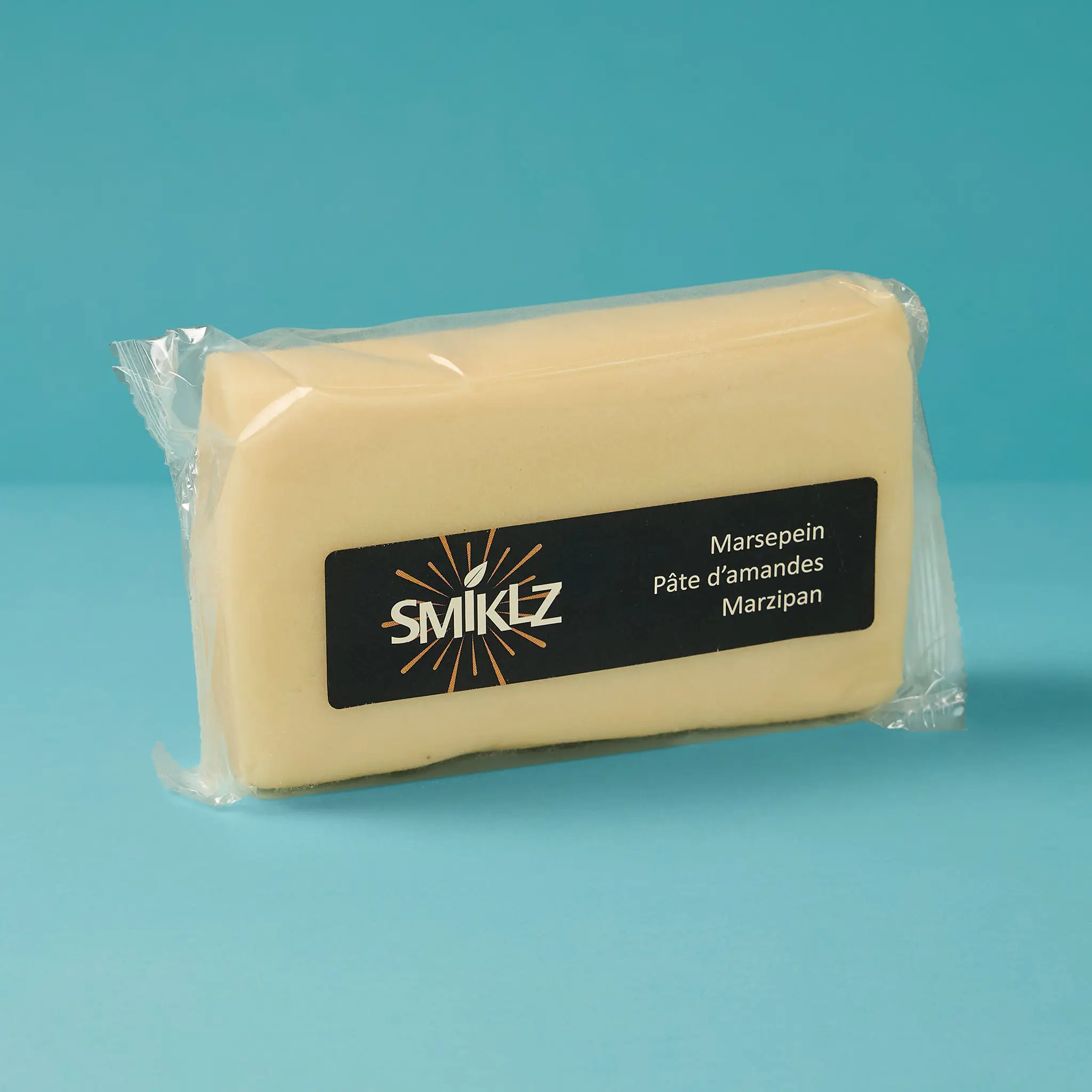
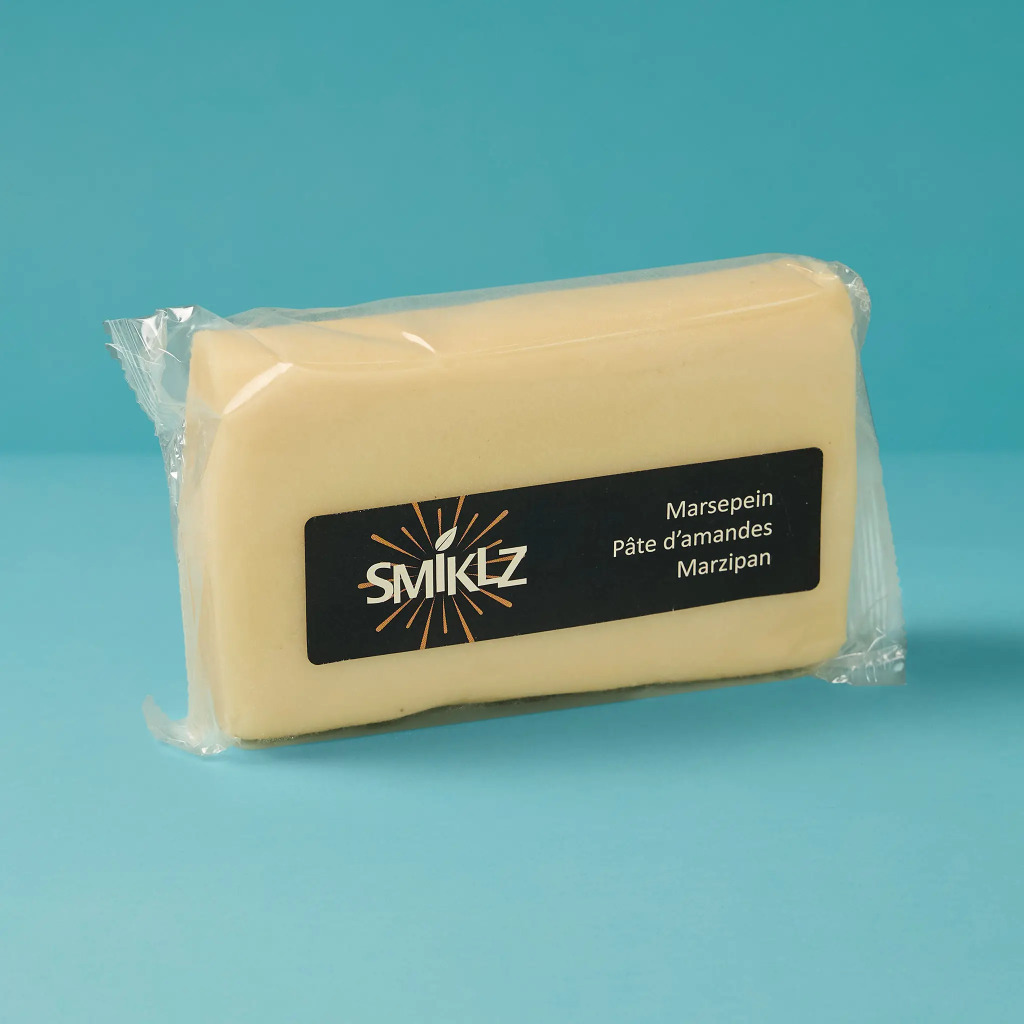
White 33% marzipan is the cornerstone of confectionery and decorative pastry work. The percentage indicates almond content — 33% is a professional standard, high enough to deliver a distinct almond flavor while keeping the paste smooth and easy to shape. On the other end of the spectrum, artisan-crafted marzipan comes in at 50% or 60% almond content, at a considerably higher price point.
Ingredients: sugar, almonds, glucose syrup, glycerol, bitter almonds, sorbitol. This is the classic formulation for a ready-to-use marzipan: the humectants (glycerol, sorbitol) ensure long-lasting suppleness.
\nWhat 33% almond content actually means
\n33% is the professional benchmark for marzipan intended for modeling and decoration. At 25% (entry-level commercial grade), the paste is very sweet with a subtle almond flavor. At 50% and above (high-flavor artisan grade), the almond character is bold but the paste is harder to shape due to its higher fat content.
33% hits the sweet spot: noticeable almond flavor, smooth and pliable texture, reasonable price, and long shelf life. It's what we recommend at our Paris shop for home bakers who want to create cake decorations or marzipan fruits.
Marzipan has been a staple of European confectionery since the Middle Ages — it appears in Venetian and Lübeck recipes (northern Germany) as early as the 14th century. Today, the professional 33% standard offers the best balance of flavor, texture, and ease of use for modern pastry work.
\nHow to use it
\nFor molding figurines (Christmas, Easter, birthday cakes), work the paste on a surface dusted with confectioners' sugar. Color with gel food colorings — not liquid, which would make the paste too wet.
For candy or chocolate fillings, roll the marzipan between two sheets of parchment paper, cut to the desired size, and coat in melted chocolate. Marzipan holds its shape beautifully as a filling without seeping.
To cover a wedding cake or tiered cake, roll the marzipan to a 5 mm thickness, lay it over the cake previously coated with a thin layer of jam, and smooth by hand. It's a technical step, but the result is stunning.
For marzipan fruits (candied cherries wrapped in marzipan), roll the paste between two sheets of parchment paper, cut into discs, and wrap around the cherries. Dip in sugar syrup cooked to 145 °C for a glazed finish. This is the traditional technique of skilled confectioners.
For homemade marzipan-filled chocolates, roll the paste to 5 mm, cut into small rectangles, and coat in tempered dark chocolate. Keeps for two weeks in an airtight container. These make a particularly popular end-of-year gift — every chocolate is unique and fully customizable.
Marzipan appears across several European confectionery traditions: German marzipan (Lübeck), Spanish turrón, calissons from Aix-en-Provence, French frangipane. Each tradition uses a different almond ratio (from 25% to 70%) and its own preparation methods. Professional 33% is today's versatile modern standard.
\nStorage and delivery
\n1 kg loaf, film-wrapped — available for in-store pickup at our Paris shop or shipped anywhere in France. Store in a cool, dry place away from heat. Once opened, reseal tightly (plastic wrap or a zip-close bag) — the paste will dry out on the surface if left exposed to air. Manufacturer's best-before date: 12 months.
For more intensely flavored marzipan at 50% almond content, we carry a few artisan references in limited quantities. The standard 33% remains the go-to option for all modeling and filling applications.
For children's birthday parties, white 33% marzipan is a classic choice for making figurines to color and shape. Easier to work with than a 50% marzipan, and milder in flavor than industrial sugar paste. For kids who want to help decorate the cake, it's the fun, edible option.
\n33% marzipan is the versatile choice for the serious home baker. More affordable than a 50% high-flavor paste and easier to model than a 20% (overly sweet) version. It's the standard used by French pastry schools when teaching modeling and tiered cake covering techniques.
\nFrequently asked questions
\nIs 33% good or on the low side?
\nIt's the professional standard — well balanced. 25% is entry-level. 50%+ is artisan grade with a bold almond flavor and is harder to model.
\nAllergens?
\nAlmonds, tree nuts. Possible traces of pistachios depending on the facility. Worth noting for anyone with a tree nut allergy.
\nCan it be colored?
\nYes — use gel or powder food colorings. Avoid liquids, which will make the paste too wet. Knead gradually until the color is evenly distributed.
\nStorage after opening?
\nReseal tightly in a plastic bag or plastic wrap. Six to eight weeks at room temperature in a dry place, or three months refrigerated.
\nGluten-free?
\nNo gluten in the listed ingredients. Check the label if you have a confirmed sensitivity.
\nWhich food colorings work best?
\nGel or powder colorings — not liquid. Gel colorings deliver the most vibrant shades without destabilizing the paste. Start with a knife tip's worth and adjust gradually by kneading. Store colorings in a cool place.
Price per kg |
8,20 € |
Description
White almond paste 33%, ready to use, ideal for decorating your pastries and confectionery.
Characteristics
- Weight: 1.000 kg
- Ingredients: Sugar, almonds, glucose syrup, glycerol, bitter almonds, sorbitol
-
Allergens: Almonds, tree nuts,
May contain traces of pistachios -
Nutritional values:
Energy (kJ): 1873.6
Energy (kcal): 446.0
Protein (g): 6.38
Total Fat (g): 15.14
Saturated Fat (g): 1.15
Total Carbohydrate (g): 71.39
Carbohydrate (g): 62.79
Dietary Fiber (g): 3.72
Salt (g): 0 - Legal name: White almond paste 33%
- Storage conditions: Store in a dry place away from heat.
- Best before date: 12 months
Nos derniers contenus
Découvrez les nouveautés dans notre entreprise !