





Spices & Seasonings
Spices are what transform a decent dish into a memorable one. At 58 rue Tiquetonne, since 1951, our shelves have been lined with peppers, vanillas, chilies, berries, blends, and all the seasonings that elevate everyday cooking and special-occasion meals alike. Bourbon vanilla from Madagascar in whole pods, Penja IGP peppercorns, Espelette AOP chili pepper, Timut berries from Nepal, Guérande fleur de sel… 🧂
This category brings together both the essentials (fine salt, ground black pepper, sweet paprika) and the rarer spices we love introducing to curious customers. The idea is that you can build your spice cabinet the way a chef builds their mise en place: with the right quality, in the right quantities, and with a clear sense of why you'd choose one over another.
How to Choose Your Spices and Seasonings
A spice is, above all, a living and fragile ingredient. Once ground, it loses 50% of its aroma within 6 months. A vanilla pod that has dried out too long becomes brittle and flavorless. A few simple principles:
- Opt for whole spices to grind yourself in a mill or mortar: peppercorns, whole nutmeg, cumin seeds, cardamom pods
- Check the origin: Penja pepper bears no resemblance to a generic black pepper from Southeast Asia; Bourbon vanilla from Madagascar is worlds apart from industrial vanilla from Polynesia
- Buy in small quantities: better to restock often than to keep a large jar for 3 years
- Be wary of ready-made "seasoning blends": they often contain far more salt than actual spice
Certifications are a useful guide: AOP Espelette chili pepper, IGP Penja pepper, IGP Quercy saffron, and "AB" organic labels. For vanilla, look at the moisture content (ideally 25–30%, which keeps the pod supple).
Our Selection at G. Detou
The spice aisle is one of the most densely stocked in the shop.
Vanilla: whole Bourbon vanilla pods from Madagascar, Tahitian vanilla, Papua vanilla, in sealed jars. We also carry pure vanilla powder and natural alcohol-free extract. See our Bourbon vanilla guide on the blog for a breakdown of the differences.
Peppers: Penja IGP black pepper, Penja white pepper, Kampot red pepper, long pepper, Sichuan pepper, pink berries, Timut berries, five-berry blend. Chefs come in primarily for the Penja and the Kampot.
Salts: Guérande fleur de sel, Noirmoutier grey salt, Himalayan pink salt, Maldon smoked salt, fine table salt. We also carry flavored salts (truffle, lemon, herbs).
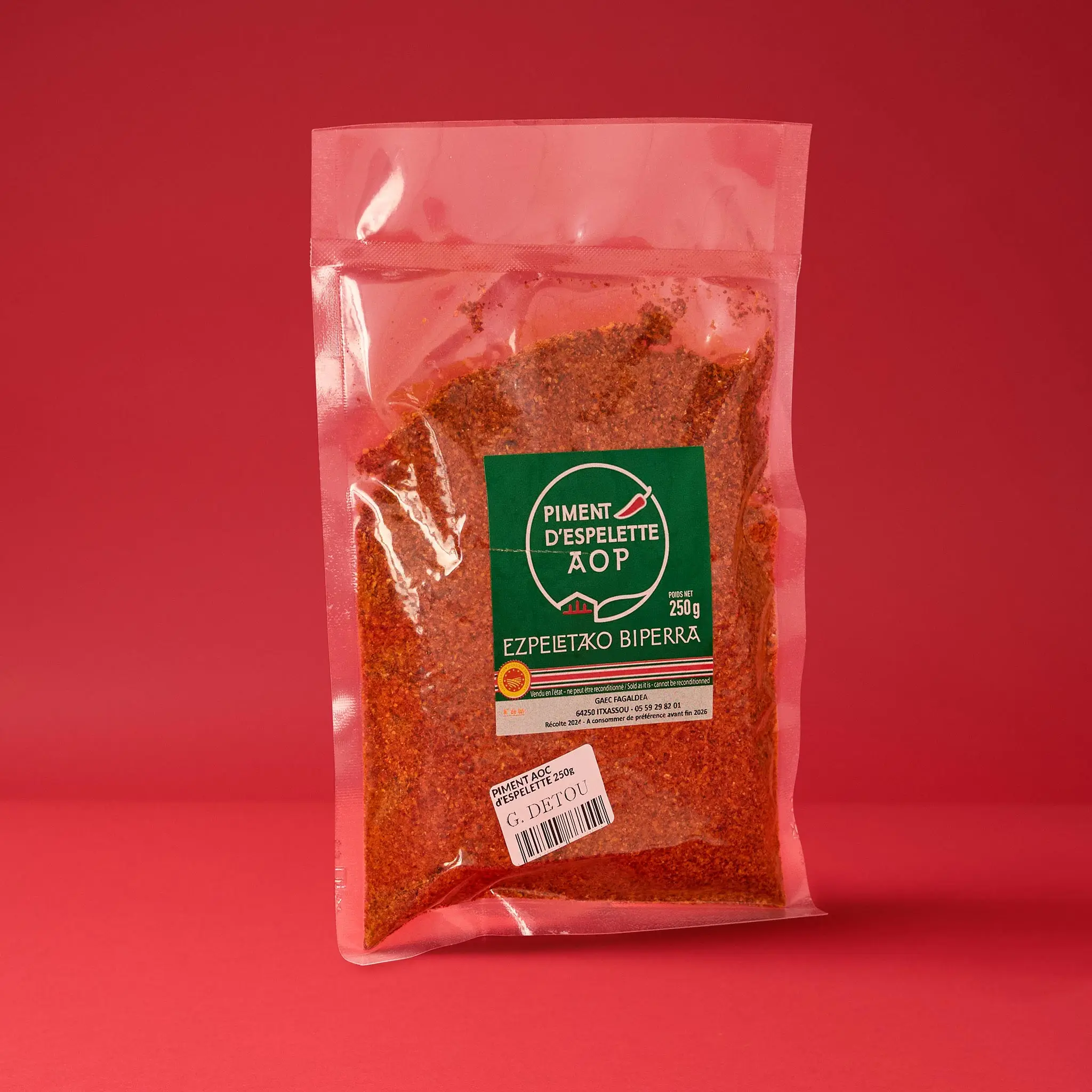
Chilies: Espelette AOP chili pepper, sweet and smoked paprika, cayenne pepper, hot chili powder, chipotle smoked chili, harissa in a tube.
Whole spices: cinnamon sticks, green and black cardamom, star anise, cloves, cumin, coriander, fennel, fenugreek, whole nutmeg, ground ginger, turmeric, saffron threads.
Blends: quatre épices, ras el hanout, garam masala, Madras curry, herbes de Provence, fines herbes, speculoos spice blend, mulled wine spice blend.
We round out the aisle with a few technical ingredients widely used by the pastry chefs and chocolatiers who stop by: Valrhona-selected vanilla pods for infused ganaches, Barry natural flavorings for chocolate-based preparations, and the Louis François range for acids (citric, tartaric) and technical agents that play a key role in spiced confectionery (ginger pâtes de fruits, Espelette chili caramels, and more).
Uses in Pastry and Cooking
Every spice has its place. In pastry, Bourbon vanilla reigns supreme: pastry cream, ice cream, rice pudding, financiers, shortbread. Ceylon cinnamon (more delicate than Chinese cassia) brings life to apple tarts, pain d'épices, and Christmas cookies. Green cardamom elevates brioches and crèmes brûlées.
In savory cooking, Penja pepper lends distinction to a simply pan-seared steak. Espelette AOP chili pepper brightens a piperade, a poulet basquaise, or a fried egg. Saffron threads (never powdered) steeped in a little warm water transform a risotto, a bouillabaisse, or a slow-braised lamb.
For drinks, think about the spices in Christmas mulled wine (cinnamon, star anise, cloves, orange zest), cardamom in Turkish coffee, or freshly grated ginger in an herbal infusion. See also our article on spices for infusing.
Storing and Getting the Most from Your Spices
To preserve their aroma:
- Opaque or airtight glass jars — never plastic containers left in the light
- Away from heat: not above the stovetop
- Away from moisture: not above the dishwasher or kettle
- Grind just before use for peppercorns and whole spices
- Dry-toast for 30 seconds whole spices (cumin, coriander, fennel) before grinding — this releases the essential oils
For vanilla: keep pods in their airtight tube. A fresh pod stays supple; if it starts to dry out, submerge it in a little dark rum to revive it (and gain an excellent homemade extract in the process).
For saffron: always steep the threads for 20 minutes in a small amount of warm liquid before incorporating. Without this step, half the aroma stays locked inside the pistils.
History and Expertise at G. Detou
The Les Halles neighborhood was long Paris's gateway for spices arriving from the former colonies, India, North Africa, and Indonesia. When G. Detou opened at 58 rue Tiquetonne in 1951, sacks of pepper and crates of vanilla were still being carried across the street by hand. That heritage lives on: we continue to work directly with select producers (Madagascar for vanilla, Cameroon for Penja, the Basque Country for Espelette) and to taste every batch.
One story we love to tell: our most demanding vanilla customers are ice cream makers. They know that a soft, plump, glossy pod makes a world of difference to the flavor of a single scoop. That's also why we package our vanilla in vacuum-sealed tubes — so it arrives at your door exactly as it was on the day it came in.
FAQ — Spices and Seasonings
Which vanilla should I choose for home baking?
Bourbon vanilla from Madagascar remains the universal choice: rounded, slightly woody aromas, perfect for creams and ice cream. Tahitian vanilla, more floral and anise-like, is better suited to fruit-based desserts.
How long do ground spices keep?
6 to 12 months maximum to preserve aromatic intensity. Beyond that, the spice remains edible but turns bland. Whole spices last 2 to 3 years.
What is the difference between Ceylon cinnamon and Cassia cinnamon?
Ceylon cinnamon (true cinnamon, from Sri Lanka) is more delicate, milder, and slightly sweet. Cassia cinnamon (from China and Vietnam) is thicker, sharper, and higher in coumarin. For fine pastry work, Ceylon is the preferred choice.
How can I tell if saffron is good quality?
Real saffron comes as deep red threads with an orange tip. The pistils are long (1–2 cm). Be cautious of powdered "saffron," which is often cut with turmeric. A fair price runs around $30 per gram.
Is Espelette chili pepper always mild?
Yes, Espelette AOP rates 4 out of 10 on the Scoville scale — mild to moderate. It delivers fragrance and a light smokiness, but very little heat. For more intensity, reach for cayenne or chipotle.
Do you sell spices in bulk quantities?
Yes, restaurants and caterers can purchase most references in 500 g or 1 kg bags. For preferential pricing, create your account on our Trade Access page.
How much saffron should I use in a risotto?
For 4 servings: steep 10–15 threads for 20 minutes in a ladleful of hot broth. Add the infusion toward the end of cooking to preserve the aromas.
Can you make your own vanilla extract at home?
Absolutely. Split 4–5 Bourbon vanilla beans, submerge them in 250 ml of dark rum or neutral vodka, and let them infuse for 6 to 8 weeks away from light. The result is an incomparable homemade extract.
A few lesser-known spices worth trying
Beyond the essentials, here are five spices we love introducing to customers in our shops:
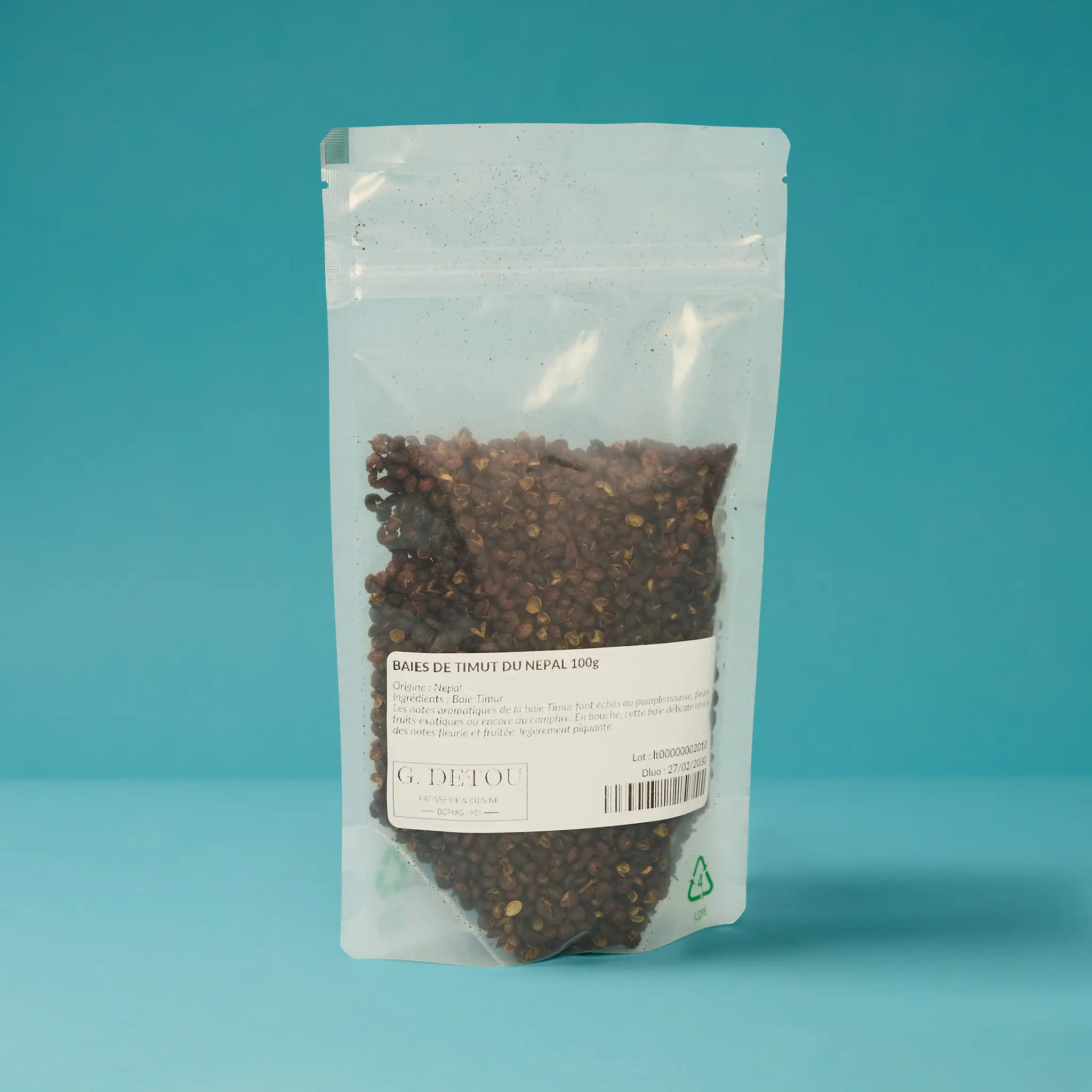
- Timut berries (Nepal): a small berry with a grapefruit-like quality, surprisingly good on raw fish or a sabayon
- Long pepper (Indonesia): a spike-shaped pepper with warm, woody notes, ideal for slow-cooked meats
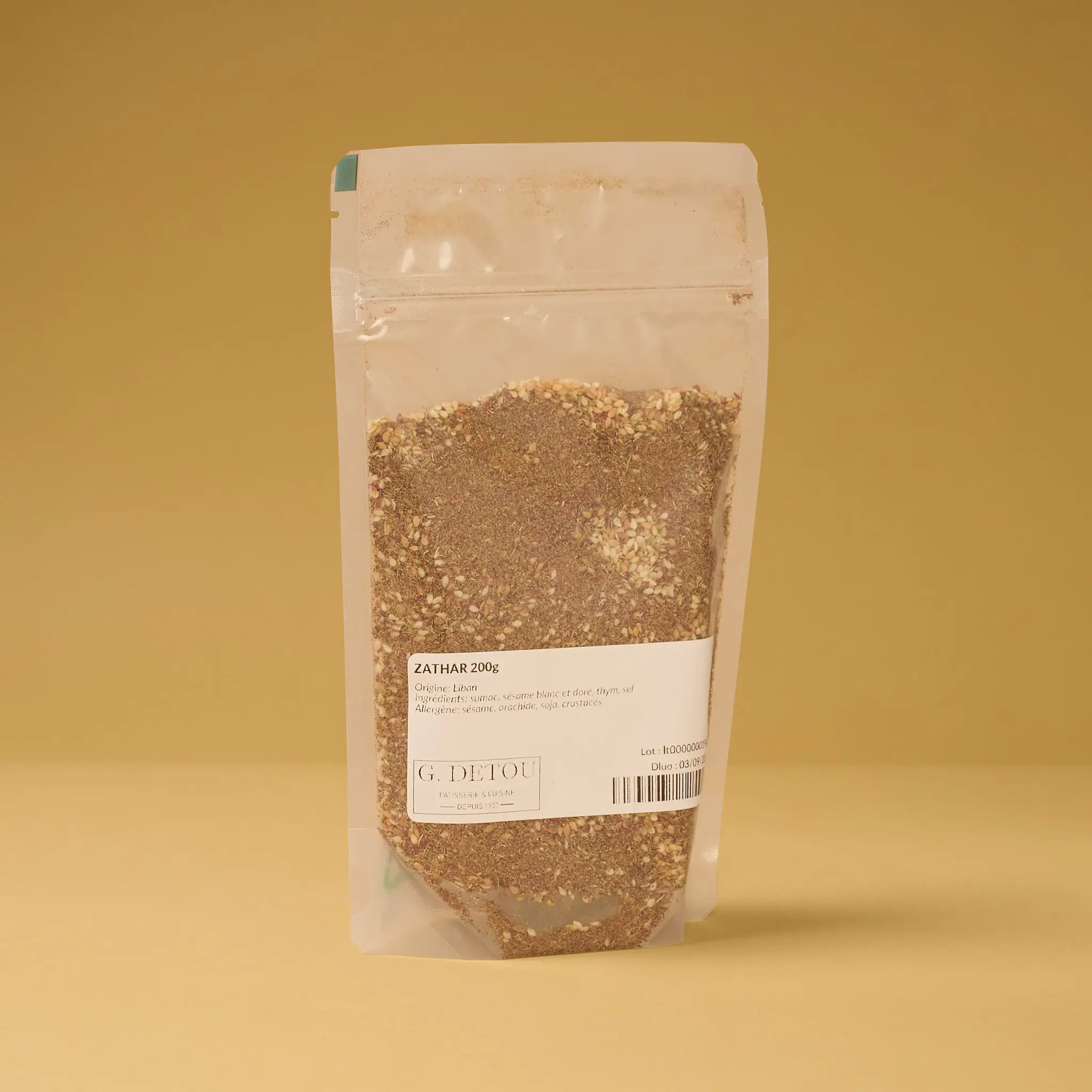
- Sumac: a tangy Middle Eastern spice, a wonderful stand-in for lemon on salads, hummus, and grilled meats
- Japanese sansho: a cousin of Sichuan pepper, more floral and citrusy, sublime on grilled eel
- Egyptian dukkah blend: toasted hazelnuts + cumin + coriander + sesame, perfect sprinkled over fried eggs or roasted vegetables
These are not novelty spices — each has a precise, well-established role in its cuisine of origin. We always keep a few open jars on hand so customers can taste them for themselves.
Explore further
Spices reward a deeper dive. Browse our Cooking Ingredients category, where you'll find the oils, vinegars, and condiments that pair naturally with your spice collection. And to choose your spices in person, stop by one of our shops, in Paris or in Lyon.