




Chocolate & Confectionery
Chocolate is something of our signature. Since 1951, at 58 rue Tiquetonne in the Paris 2nd arrondissement, we have lined our shelves with the great names in couverture chocolate and professional confectionery: Valrhona, Barry, Weiss, Callebaut, and a handful of gems from independent chocolatiers that pastry chefs in the neighborhood come to pick up in 5 kg bags as readily as in 200 g bars. 🍫
This is the category that draws Michelin-starred chefs, CAP pâtissier apprentices, weekend bakers, and food lovers who finally want to understand the difference between a 70% couverture chocolate and the bar from the supermarket. Everything is here — in bulk, in professional bags, or in home-friendly sizes — with expert advice from behind the counter whenever you stop by.
Choosing the right couverture chocolate
First things first: a word about couverture chocolate. What sets it apart from eating chocolate is its cocoa butter content, generally above 31%. That richness in fat gives it its fluidity when melted — exactly what you need for molding bonbons, coating a ganache, or achieving a clean mirror glaze.
Several criteria come into play when making your choice:
- Cacao percentage: 55–60% for a well-balanced dark chocolate, 64–70% for bold ganaches, 80%+ for lovers of intense roasted notes
- Origin: a Madagascar will have very different bright, fruity notes from an Ecuador or a blended origin like Valrhona's "Caraïbe"
- Fluidity: expressed in "drops" by Callebaut, it indicates whether the chocolate is suited for enrobing (3–4 drops) or molding (2 drops)
- Format: pistoles or fèves for quick melting, 3 or 5 kg blocks for professional kitchens
On the brand side, we carry Valrhona references (Guanaja, Caraïbe, Manjari, Jivara, Dulcey blond), the Barry range (Force Noire, Excellence), historically French Weiss chocolates, and Callebaut for pastry chefs who want unbeatable value for money on large volumes. For pralinés and confectionery, we round out the selection with a few family-run producers we have sourced over the years.
Our selection at G. Detou
The chocolate aisle takes up a good portion of the shop. It breaks down into several major families.
Dark couverture chocolates: from an accessible 55% all the way to the most intense 85%, with most references falling between 64% and 72% — covering the vast majority of pastry needs. Valrhona Guanaja 70%, Caraïbe 66%, and Manjari 64% are among the house's all-time best-sellers.
Milk chocolates: Jivara 40%, Tanariva 33%, and several well-balanced Callebaut references. Ideal for whipped ganaches, light mousses, and the kind of enrobing that brings back childhood memories.
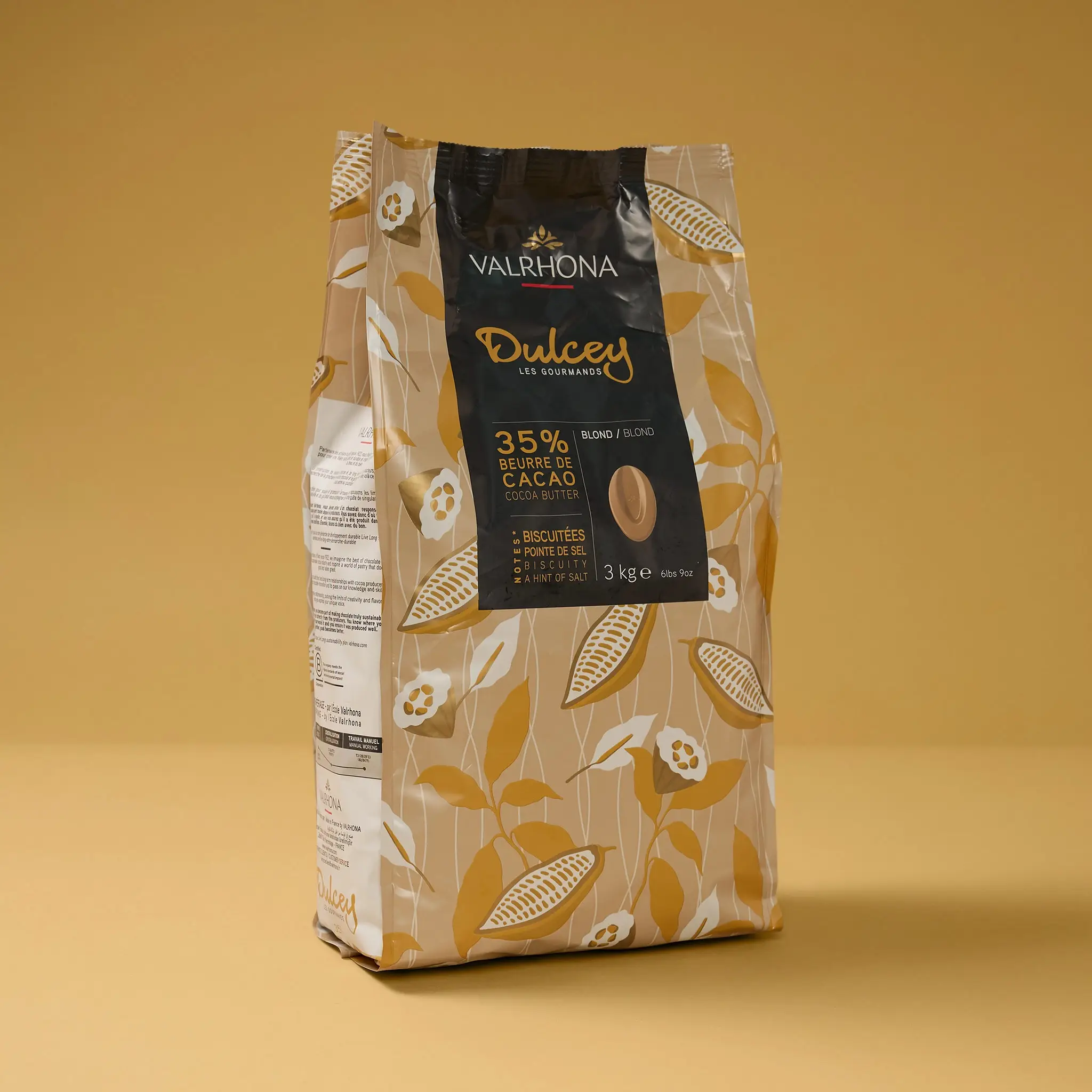
White and blond chocolates: Valrhona Ivoire, Dulcey (the famous caramelized blond), and a few alternatives. Dulcey remains one of the products we most enjoy letting customers taste for the first time.
Pralinés, nut pastes, and professional spreads: almond-hazelnut praliné 50%, Piedmont hazelnut praliné, pure pistachio paste, gianduja. If you want to understand the nuances, check out our homemade praliné guide, which breaks down the sugar-to-nut ratios in detail.
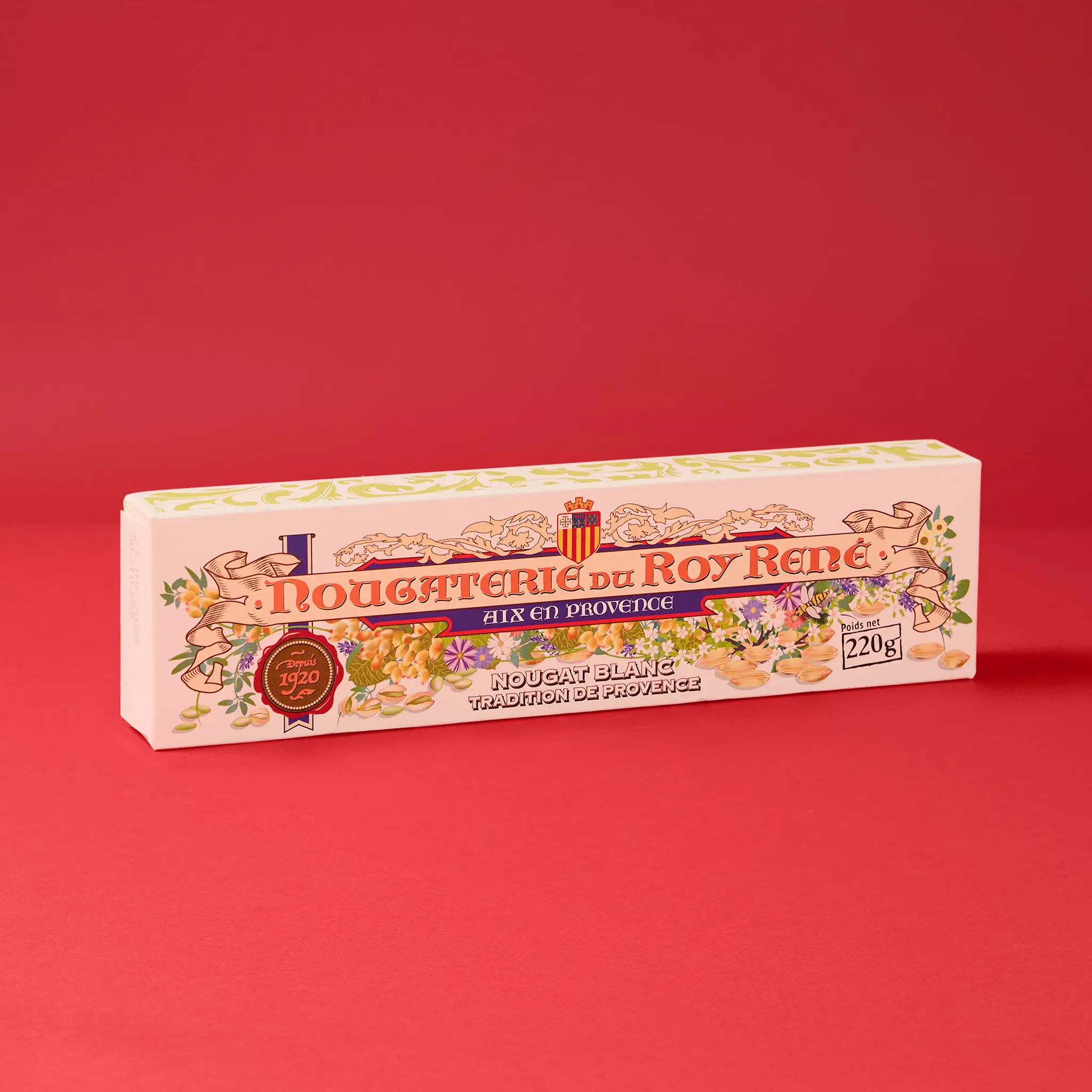
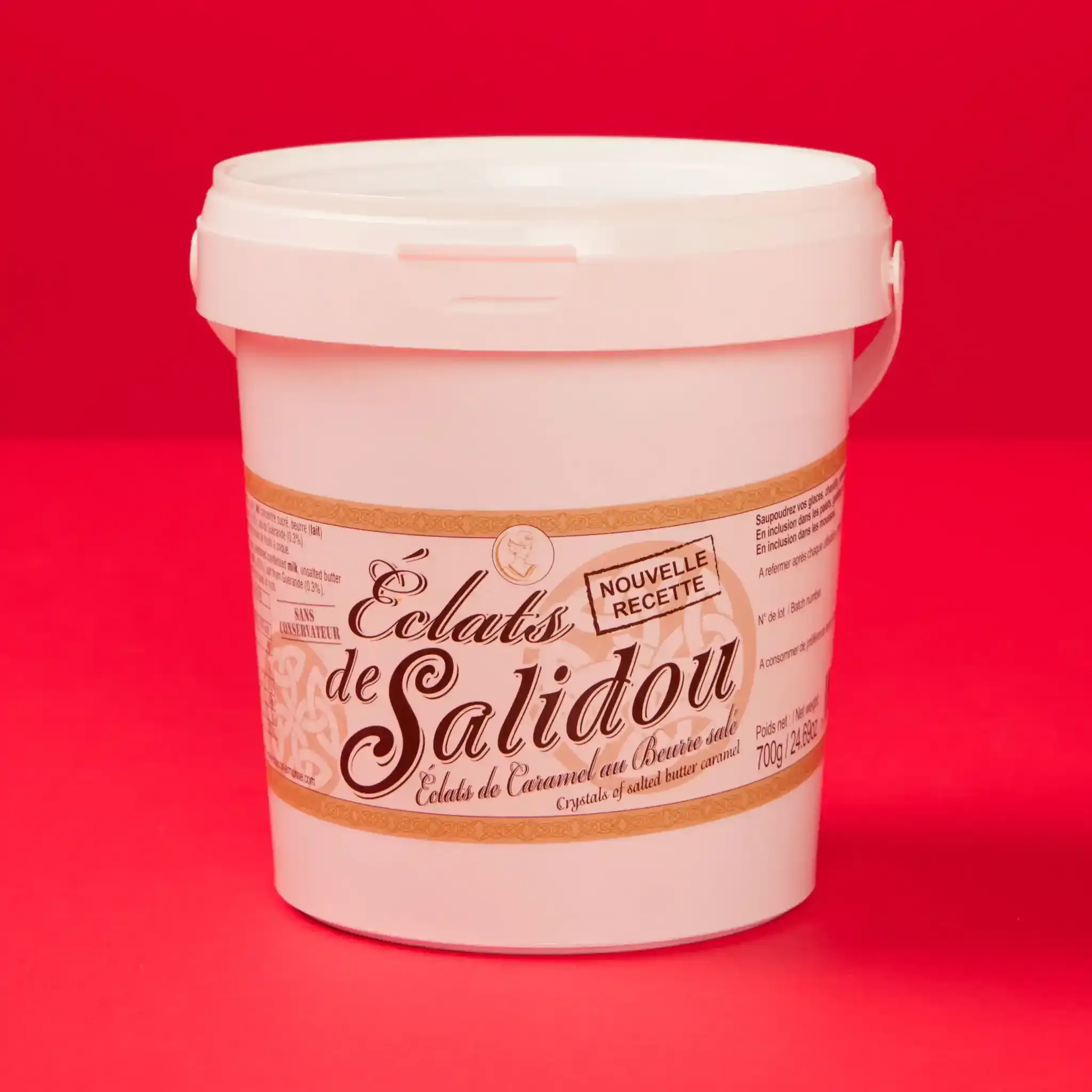
Confectionery and candies: soft caramels, calissons, artisan nougats, marrons glacés in season, pâtes de fruits.
Uses and pairings in pastry
Every chocolate has its natural domain. For a whipped ganache, opt for a chocolate with a moderate percentage (60–66%) to maintain suppleness. For a mirror glaze, fluidity is key: 3–4 drops ensures a brilliant shine. For Easter molding, choose a properly tempered chocolate (the tempering curve is indicated on every package).
When it comes to pairings, a 70% dark chocolate like Guanaja pairs beautifully with Bourbon vanilla from Madagascar, arabica coffee, hazelnut praliné, and fleur de sel. Jivara 40% milk chocolate loves caramel and toasted nuts. Dulcey blond shines alongside stone fruits and yellow fruits (apricot, mirabelle plum, peach).
For pure tasting, we recommend letting a 2 g square melt slowly on the tongue without chewing, to follow the aromatic evolution: the attack, the mid-palate, the finish. That is exactly what we do when tasting a new batch before putting it on the shelf.
Storing and working with chocolate
Chocolate is a living product. Stored poorly, it blooms (fat bloom or sugar bloom) and loses its aromas. The rules to remember:
- Temperature: between 61°F and 64°F (16–18 °C), ideally constant
- Humidity: below 60%
- No refrigerator: the cold and moisture of a fridge will produce a white haze within days
- Airtight packaging: chocolate absorbs odors like a sponge — avoid storing it next to cheese or ripe fruit
- Shelf life: 12 to 18 months for dark chocolate, 9 to 12 months for milk or white
When it comes to working with chocolate, always temper before any enrobing or molding: the curve varies by type (dark: 122–131°F / 82–84°F / 88–90°F; milk: 113°F / 81°F / 84–86°F; white: 104°F / 79°F / 82–84°F). Without tempering, you will end up with a dull chocolate that won't release from the mold and will bloom within 48 hours.
History and expertise at G. Detou
G. Detou has been in business since 1951. For over 70 years, the shop at 58 rue Tiquetonne has supplied Parisian pastry chefs, chefs from the great houses, local artisans, and passionate home cooks with chocolate, candied fruits, dried fruits, and baking ingredients. In those days, the Les Halles neighborhood was the beating heart of Paris's food supply; today, the market has moved to Rungis, but G. Detou has stayed — the last gourmand witness to that tradition.
Our relationship with chocolate is rooted in that history. We have watched several generations of chefs come through, witnessed the arrival of Grand Cru at Valrhona, the explosion of bean-to-bar, the single-origin craze, and the return of homemade praliné. We strive to maintain a selection that stays true to the great classics while remaining open to genuinely interesting new arrivals.
If you stop by the shop, we usually have a piece to taste 😉. It is the best way to understand why a Guanaja is not a Caraïbe, and why Dulcey changed French pastry forever.
FAQ — Chocolate and confectionery
What is the difference between couverture chocolate and eating chocolate?
Couverture chocolate contains a minimum of 31% cocoa butter, which makes it fluid when melted. It is designed for enrobing, molding, and incorporating into recipes. Eating chocolate is everything you enjoy as-is, straight from the bar.
Which chocolate should I choose for a Bûche de Noël ganache?
A 64–66% dark chocolate such as Caraïbe (Valrhona) or Force Noire (Barry) delivers an excellent balance of intensity and creaminess. For a lighter whipped ganache, go with Jivara 40% milk or Dulcey blond.
How do I temper chocolate without a thermometer?
It's risky. We strongly recommend using a precise probe thermometer (around $15–20). Without one, you can try seeding: melt two-thirds of the chocolate to 122°F (50°C), add the remaining third finely chopped, and stir until it reaches 88–90°F (31–32°C) for dark chocolate.
Do you offer professional pricing for pastry chefs and restaurants?
Yes. Artisans, restaurants, hotels, and culinary schools can open a professional account with specific pricing on 3 kg, 5 kg, and larger formats. Sign up on our Pro Access page to take advantage of it.
What is the shelf life of couverture chocolate?
12 to 18 months for dark, 9 to 12 months for milk or white, provided storage conditions are respected (61–64°F / 16–18°C, low humidity, sealed packaging).
Can couverture chocolate be replaced with supermarket chocolate?
For snacking, sure. For a technical recipe (ganache, molding, enrobing), no: the insufficient cocoa butter content leads to disappointing results. The difference is plain to see the moment you compare two ganaches side by side.
Which chocolates for the galette des rois?
For a frangipane-chocolate galette des rois, we love Guanaja 70% in coarse chips or roughly chopped Caraïbe 66%. The contrast with almond cream is superb. See also our article on homemade galette des rois.
What is your best-selling chocolate?
Valrhona Guanaja 70% remains the all-time classic, closely followed by Dulcey blond. On the Barry side, Force Noire 50% has had its loyal following for years.
A short glossary of chocolate and confectionery
A few terms that come up regularly at the counter and are worth knowing to make sure you're buying the right product:
- Couverture: chocolate with a high cocoa butter content (at least 31%), designed for tempering, enrobing, and molding. This is what pastry chefs use — not the eating chocolate you'd find in a bar.
- Cacao percentage: the proportion of cocoa mass and cocoa butter in the product. A 70% is not necessarily "better" than a 60% — it's simply more intense and less sweet.
- Pistoles (or fèves, pastilles): chocolate in small discs ready to melt. Easier to measure and temper than a block you have to chop.
- Pâte de cacao: pure cacao in paste form, with no added sugar. Used to intensify a recipe or to make your own chocolate from scratch.
- Cocoa butter: the fat extracted from the cacao bean. It's what gives chocolate its fluidity, sheen, and snap.
- Grué (or nibs): roasted, crushed cacao bean fragments. Crunchy and bitter, great for decoration or added texture.
- Tempering: the temperature curve that causes cocoa butter to crystallize in just the right way. Without it, chocolate blooms white and won't snap cleanly.
- Ganache: an emulsion of chocolate and cream (sometimes butter). The base of truffles, tarts, and filled chocolates.
- Praliné: a paste of caramelized nuts ground to a smooth consistency (typically 50% nuts).
- Gianduja: a blend of hazelnut paste, chocolate, and sugar — a Piedmontese specialty with the melt-in-your-mouth texture of premium nut spreads.
- Blond chocolate (such as Dulcey): white chocolate taken to caramelization point, with flavors of cooked milk and shortbread.
- Bean-to-bar: full in-house production, from bean to finished bar, by a single maker. A mark of traceability and a commitment to origin.
This vocabulary isn't empty jargon: a chef asking for "a 64% couverture in pistoles" expects a very specific product. That's exactly why we stock every reference on the shelf rather than lumping everything together under the label "dark chocolate."
Going further
Chocolate is an endless world. To dive deeper, we point you to our article on homemade praliné, and our Pastry Ingredients category, where you'll find everything you need to complement your chocolate preparations: pâte à glacer, cocoa butter, Van Houten cocoa powder, and raw cacao beans. And the simplest thing of all is still to come and see us in store — in Paris or in Lyon — and talk chocolate face to face.